
This John Adams Dollar Coin program required all coins to have specific words like "In God We Trust" and "E Pluribus Unum" placed on the edge of the metal disk.
The edge lettering process used a special machine called the Schuler edge lettering machine, which worked separately from the main pressing machine. Many coins left the Philadelphia and Denver minting facilities without passing through the second machine responsible for putting letters on the side.
Collectors discovered thousands of coins with smooth edges instead of the required inscriptions during the initial weeks of the public release.
The error happened because the mechanical transportation system failed to move the coins into the final stage of the manufacturing sequence.
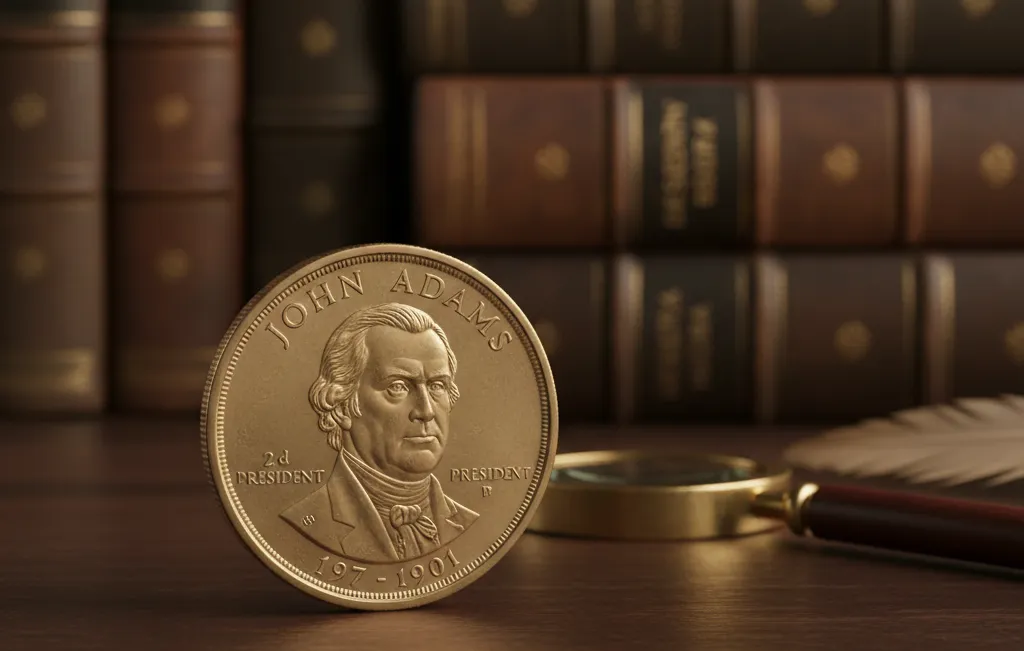
Coin Manufacturing Process and Equipment Functions
The manufacturing of modern coins involves several steps, starting with the creation of blank metal disks called planchets.
The planchets enter the pressing machine, where the front and back designs are created by applying high pressure between two heavy steel dies.
After the main pressing happens, the coins move to the edge lettering department, where they must pass through a circular track.
This circular track presses the edge of the coin against a rotating tool that cuts the letters into the metal surface.
The machine must work with perfect timing because the speed of production is very high for millions of coins every day.
If a coin falls off the track or moves too fast, it can skip the lettering process while still moving into the final storage bag.
Feature | Standard John Adams Dollar | Error John Adams Dollar |
Obverse Design | John Adams Portrait | John Adams Portrait |
Reverse Design | Statue of Liberty | Statue of Liberty |
Edge Surface | Inscribed with Year and Mottos | Completely Smooth and Plain |
Production Year | 2007 | 2007 |
Rarity Level | Common Circulation | Rare Collector Item |
Legal Status | Legal Tender | Legal Tender |
Reasons for the Mechanical Failure
The high demand for the new Presidential coins forced the Mint to work at maximum capacity throughout the entire year of 2007.
The Schuler machines faced mechanical stress because they were operating for many hours without long breaks for maintenance or inspection.
The workers did not notice the problem immediately because the coins were falling directly into large industrial bins after the pressing stage.
Small metal pieces sometimes blocked the sensors that were supposed to check with a coin identifier app if every coin received the edge lettering correctly.
Because the coins look normal from the front and back, the inspectors could not see the missing letters without looking at the sides.
The lack of human supervision during the night shifts contributed to the high number of errors entering the banking system.
Leading to the Error Discovery
The United States Mint began the production of the John Adams dollar in early 2007, following the George Washington release.
The mechanical transport system failed to deliver some batches of coins to the edge lettering station.
Thousands of smooth-edge coins were placed into standard $25 rolls and $1,000 bags for distribution to banks.
Bank customers in several states started reporting coins that looked different from the official government descriptions.
Professional numismatic organizations confirmed the existence of the error after examining the physical properties of the coins.
The Mint officially acknowledged the mechanical problem and improved the quality control systems for future releases.
The Numismatic Value and Market Reaction
Collectors often pay more money for coins with mistakes because these items are not supposed to exist in the regular money supply.
The John Adams dollar with a smooth edge became very popular among people wanting to find rare objects in their daily change.
Professional grading companies started putting these coins in plastic holders with special labels like "Plain Edge" or "Missing Edge Lettering".
The price for one error coin can change depending on how many people are selling them at the same time on the internet.
Even though the Mint fixed the machines for the next presidents, the John Adams error remains one of the most famous mistakes in modern history.
The government does not want errors to happen, but these mistakes help people learn about how the factory makes money for the country.
Changes in Quality Control
Following the problems with the John Adams and George Washington coins, the United States Mint decided to change the location of some mottos.
To take pictures of the edges of the coins while they move on the production line, new cameras were installed in the factories.
Using special programs, computers now analyze the images to find coins with smooth edges so the machines can stop automatically before the errors leave the building.
To prevent coins from jumping over the lettering tool, the engineering teams redesigned the tracks in the Schuler machines.
Providing better training for the staff ensures that the people working in the factory understand the importance of checking every part with a coin value checker app.
Due to these changes, the number of coins missing edge letters has decreased significantly in the years following the 2007 incident.
Modern technology allows the Mint to produce billions of coins with very few mistakes compared to the old mechanical systems used in the past. Serving as a historical example, the John Adams dollar shows what happens when high-speed production meets mechanical failure in a government facility.
By observing these coins, scientists receive information about the physics of metal pressing and the logistics of national currency distribution.
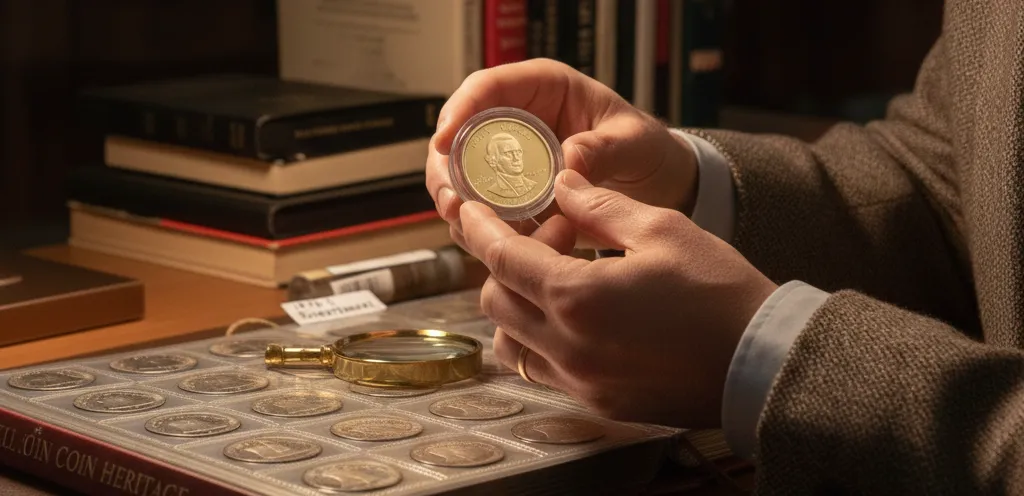
Every smooth-edge coin found by a person is a result of a specific moment when the machine did not do its job correctly.
According to the scientific analysis of the metal, the coins are real and made of the same materials as the regular dollars.
Resulting from a missing step in the industrial process, the absence of letters is not a result of wear or damage.
Even large organizations using advanced machines can make simple mistakes, as the history of the John Adams dollar reminds us.
After 2007
Instead of spending them at the store, people who find these coins usually keep them as souvenirs because of their unusual appearance.
Being part of the official records of the United States Mint, the mechanical details of the 2007 production year are now well-documented. For the workers and the engineers in Philadelphia and Denver, the transition from traditional designs to edge lettering was a difficult period.
Quickly fixing these technical issues was necessary for the success of the Presidential Coin Program.
Representing a specific technical error in the history of money, the John Adams dollar remains a unique part of the collection. Visible in the smooth surface of these specific coins is the complex relationship between machine speed and product quality.
Changing the way we look at one dollar, the final result of the 2007 production was a mix of perfect coins and interesting mistakes.
Remaining identical to the standard version in weight and size, the physical evidence of the error is easily verified.
Because of the transport failure, the only difference is the missing information on the perimeter of the metal disk.
By creating a more reliable system for moving the coins between the two different machines, the engineers solved the problem.